The Future of OOH Advertising: Trends Shaping the Next Era
Explore the future of OOH advertising, from AI and DOOH to programmatic and immersive experiences shaping global campaigns.
by Noah Benedict
05 May 2026 · 7 min read
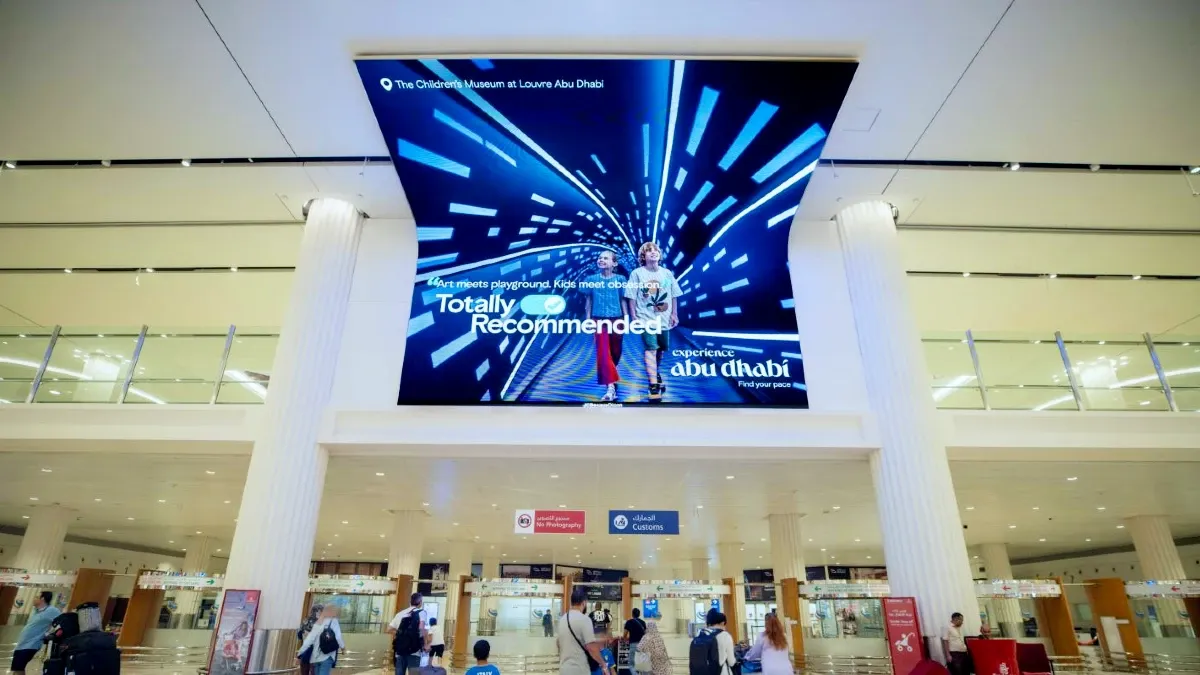
The Future of OOH Advertising: Trends Shaping the Next Era
There is something quietly powerful about outdoor advertising that has allowed it to endure while so many other channels have constantly reinvented themselves. It has always existed in the real world, embedded into the way people move, commute, travel, and experience cities. What is changing now is not its presence, but its intelligence. The future of OOH is not about replacing what came before. It is about enhancing it in ways that feel more connected, more responsive, and far more aligned with how audiences behave today.
Across global markets, the industry is entering one of its most transformative phases, driven by technology, data, and a renewed focus on real-world impact. Growth projections continue to climb steadily, with the market expected to reach significant new heights over the coming years as brands shift back towards channels that deliver visibility, trust, and measurable outcomes.
From Static Presence to Adaptive Media
For many years, OOH was defined by scale and simplicity. Large billboards, building wraps, and transport formats delivered consistent visibility, but once a campaign went live, it stayed unchanged for its duration. That model is now evolving into something far more flexible.
With the rise of digital out of home advertising, outdoor advertising has become capable of adapting in real time. Campaigns can respond to time of day, audience movement, and contextual triggers, allowing brands to remain relevant throughout the day rather than relying on a single static message.
This shift has turned OOH into something that feels alive. It reacts, adjusts, and evolves alongside the environment it sits within, while still maintaining the same strong physical presence that has always defined it.
Programmatic Buying Is Making OOH More Accessible
Another major force shaping the future of OOH is programmatic buying. Traditionally, outdoor campaigns required longer planning cycles and manual coordination, which often limited flexibility. That is changing quickly.
Programmatic DOOH allows advertisers to plan, buy, and optimise campaigns with a level of speed and precision that mirrors digital channels. Campaigns can be adjusted based on performance, audience data, and real-world conditions, creating a much more efficient and responsive system.
This is also opening the door for a wider range of advertisers. OOH is no longer restricted to large brands with fixed budgets. It is becoming increasingly accessible to businesses that want flexibility without compromising on visibility. Check out What OOH AE Offers.
Artificial Intelligence Is Changing How Campaigns Are Built
Artificial intelligence is playing a central role in how OOH campaigns are planned and executed. Instead of relying on assumptions, brands can now use real-time data to understand when and where their audiences are most active.
AI enables campaigns to align with real-world conditions, whether that is traffic patterns, weather changes, or peak footfall times. This ensures that messages appear at the most relevant moments, increasing both engagement and effectiveness.
It also simplifies execution. From predicting performance to optimising placements and adapting creative formats, AI is reducing complexity while improving results. This allows brands to focus more on creativity and strategy, while the technology handles optimisation behind the scenes.
Connecting Physical Ads to Digital Journeys
One of the most significant developments in OOH is its ability to extend beyond the moment of exposure. A billboard or screen is no longer just something people pass by. It has become the starting point of a wider interaction.
Through QR codes, mobile integration, and retargeting, outdoor campaigns now connect directly to digital platforms. Someone might see an ad on a roadside or within a transport network such as Dubai Metro or Dubai Bus, and continue that journey on their phone within seconds.
This creates a seamless experience where awareness and action are linked, allowing OOH advertising to play a much stronger role within full-funnel marketing strategies.
Immersive and Creative Experiences Are Raising the Bar
As technology advances, creativity within OOH is reaching new levels. High-resolution digital screens, 3D executions, and augmented reality elements are turning advertising into something far more experiential.
These campaigns are designed to be seen, remembered, and shared. A striking visual on a large-format screen or a clever execution on a billboard placement can quickly become part of a wider digital conversation, extending its reach far beyond its physical location.
This shift reflects how audiences engage with content today. They do not just observe, they interact and share. Outdoor advertising is evolving to meet that behaviour in a way that feels natural rather than forced.
OOH Is Moving Closer to High-Intent Environments
Another key trend shaping the future is the expansion of OOH into environments where audiences are already engaged and receptive. Locations such as malls, airports, and transport hubs are becoming increasingly valuable.
Advertising formats such as malls and airports allow brands to connect with audiences during moments of decision-making, when attention levels are higher and engagement is more likely.
This shift towards context-driven placement ensures that OOH is not just about reach, but about relevance, making campaigns more effective without needing to rely on intrusive targeting.
Sustainability Is Becoming Part of the Conversation
As brands place greater importance on environmental responsibility, OOH is evolving to meet those expectations. Digital formats reduce the need for physical production, while energy-efficient screens and new technologies are helping to lower environmental impact.
What makes this particularly important is that OOH already performs well in terms of carbon efficiency per impression compared to many other media channels. As innovation continues, sustainability is likely to become one of the defining advantages of outdoor advertising moving forward.
Trust and Real-World Presence Are More Valuable Than Ever
In a landscape where digital content can be easily manipulated or overlooked, physical presence carries a different kind of credibility. Seeing a brand in the real world reinforces its authenticity and scale.
OOH offers something that cannot be replicated online. It exists in shared spaces, visible to everyone, creating a sense of trust that is becoming increasingly important as audiences grow more selective about the content they engage with.
This trust factor is one of the strongest reasons why OOH continues to hold its place as a core part of modern marketing strategies.
Why the Future Still Belongs to OOH
The future of OOH advertising is not about competing with digital. It is about complementing it in a way that reflects how people actually interact with brands. It combines physical visibility with digital intelligence, creating campaigns that feel consistent, present, and relevant across multiple touchpoints.
As the industry continues to evolve, OOH will become more adaptive, more measurable, and more integrated into wider marketing strategies. At the same time, it will retain what has always made it effective. Visibility, scale, and real-world impact.
That balance is what makes it one of the most exciting spaces in advertising today.
FAQs
Q1. What is the future of OOH advertising?
OOH is becoming more digital, data-driven, and integrated with online channels, offering better targeting and measurable results.
Q2. How is technology changing outdoor advertising?
Technologies like AI, programmatic buying, and digital screens are making campaigns more flexible, targeted, and responsive.
Q3. Is OOH still growing as an industry?
Yes, global growth projections remain strong, with increasing investment in digital formats and programmatic solutions.
Q4. What role does DOOH play in the future?
DOOH allows campaigns to adapt in real time, improving relevance and engagement across different audiences.
Q5. Can smaller businesses benefit from OOH advertising?
Yes, programmatic solutions and flexible buying options are making OOH more accessible to a wider range of brands.
Let’s Build What Comes Next
The future of advertising is not limited to screens. It lives in the real world, where attention is still genuine and impact is still felt.
If you are ready to take your brand into that space, we are here to help.
Ready to explore the vast OOH opportunities in the UAE?
Author: Noah Benedict
Related articles
Innovation
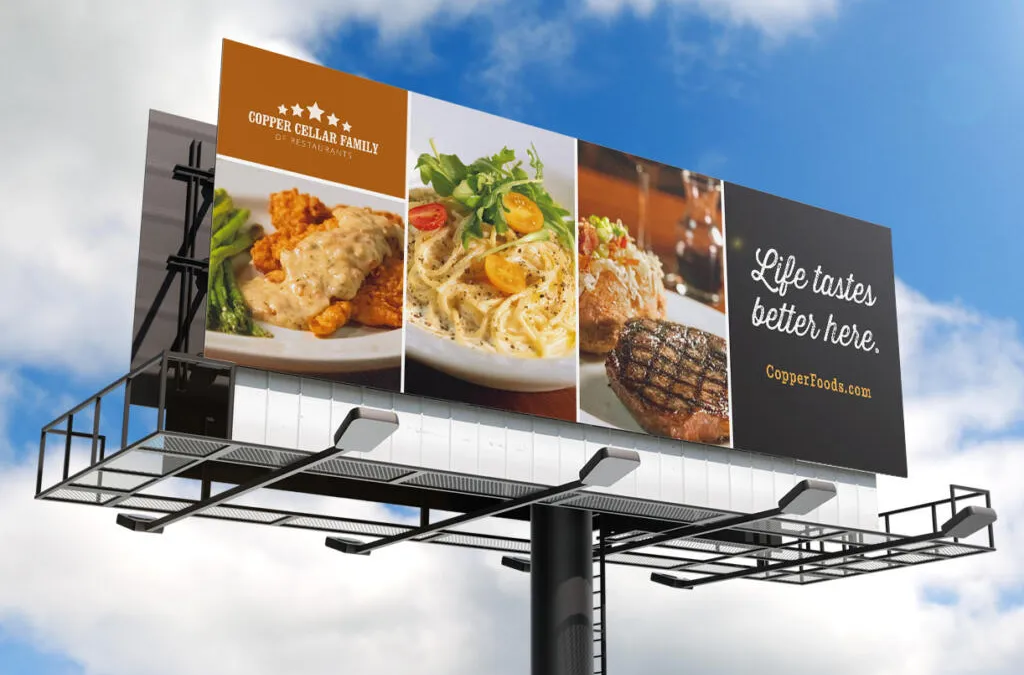
Why Billboard Advertising Is Growing Faster Than Ever in 2026
15 July 2026 · 3 min read
by Khuzaima Yamman
Discover why billboard advertising is growing faster in 2026, driven by digital technology, AI, better measurement, programmatic buying, and rising urban mobility.
Innovation
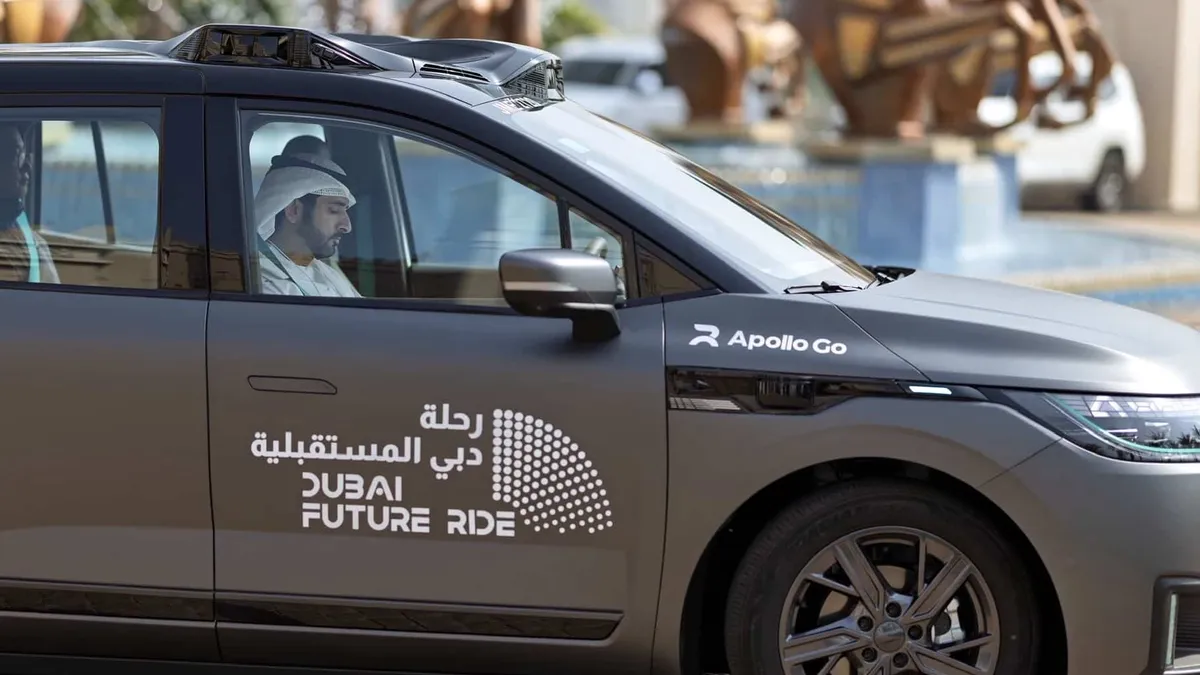
The Future of Outdoor Advertising in a Driverless Car World
15 July 2026 · 3 min read
by Khuzaima Yamman
Discover how driverless vehicles could transform outdoor advertising through smarter billboards, in-car screens, personalised content and interactive experiences.
Innovation
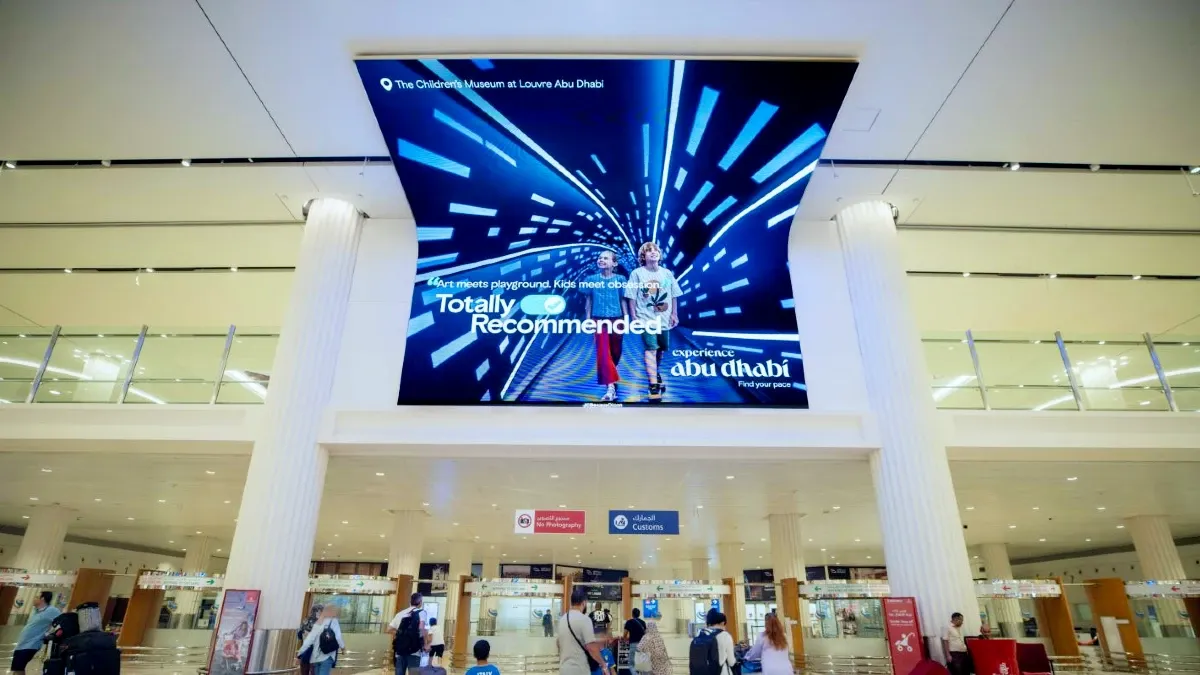
The Future of OOH Advertising: Trends Shaping the Next Era
5 May 2026 · 7 min read
by Noah Benedict
Discover how OOH advertising is evolving with AI, data, and digital formats, and what the future holds for brands investing in outdoor media.