OOH vs DOOH (Out-of-Home vs Digital Out-of-Home Advertising)
Understand the difference between OOH & DOOH advertising. Learn how traditional outdoor ads compare with digital out-of-home (DOOH).
by Khuzaima Yamman
27 April 2026 · 2 min read
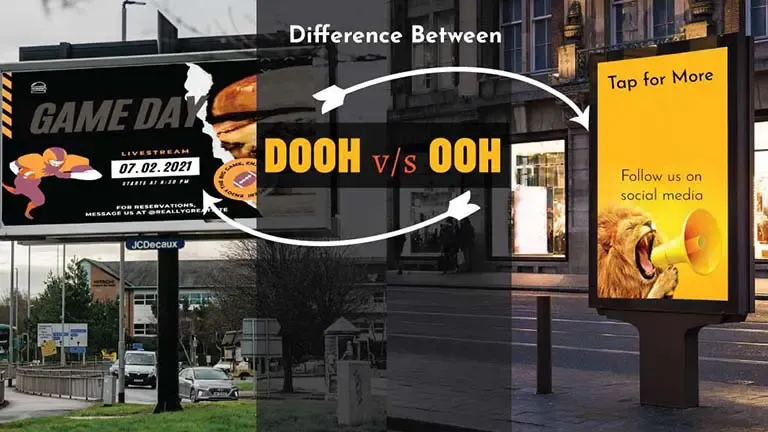
OOH and DOOH are both forms of outdoor advertising, but the main difference lies in technology, flexibility, and content delivery. While OOH is traditional and static, DOOH is digital and dynamic.
What is OOH Advertising?
OOH (Out-of-Home) advertising refers to traditional outdoor media formats that deliver static messages in public spaces.
Common Examples:
- Static billboards
- Posters and wall ads
- Bus shelters
- Transport advertising formats across cities
- Bus advertising panels on moving and stationed vehicles
- Metro advertising inside stations and train compartments
Key Characteristics:
- Fixed content (printed or physically installed)
- Long production and installation time
- No real-time updates
- Typically used for long-term campaigns
Strengths of OOH:
- High visibility in public spaces
- Cost-effective for long durations
- Strong brand recall through repetition
- Simple and universally understood
What is DOOH Advertising?
DOOH (Digital Out-of-Home) advertising is the digital evolution of OOH, using electronic screens to display content.
Common Examples:
- LED billboards in cities
- Digital screens in malls and airports
- Interactive kiosks
- Digital transit displays
Key Characteristics:
- Dynamic and programmable content
- Can show videos, animations, and rotating ads
- Real-time updates possible
- Can be data-driven (time, weather, audience behavior)
Strengths of DOOH:
- Highly engaging visuals
- Flexible and instantly updatable
- Supports multiple advertisers on one screen
- Enables programmatic advertising and targeting
Key Differences Between OOH and DOOH
1. Content Type
- OOH: Static (printed images or fixed designs)
- DOOH: Dynamic (videos, animations, rotating ads)
2. Flexibility
- OOH: Requires physical replacement to change content
- DOOH: Content can be updated instantly
3. Technology
- OOH: Traditional printing and physical installation
- DOOH: Digital screens and cloud-based systems
4. Targeting Capability
- OOH: Location-based only
- DOOH: Location + time + audience data targeting
5. Cost Structure
- OOH: Lower ongoing costs but less flexibility
- DOOH: Higher initial cost but more control and optimization
6. Measurement & Analytics
- OOH: Estimated impressions based on traffic data
- DOOH: Real-time analytics, engagement tracking, and programmatic reporting
When to Use OOH vs DOOH
Use OOH when:
- You want long-term brand visibility
- Budget is limited
- Campaign is simple and awareness-focused
- You need maximum physical presence
Use DOOH when:
- You need dynamic & engaging content
- You want real-time messaging flexibility
- Campaign is data-driven or time-sensitive
- You want higher interaction and modern branding
How They Work Together
Modern advertising strategies often combine both OOH and DOOH for maximum impact:
- OOH builds consistent brand presence
- DOOH adds flexibility, creativity, and real-time relevance
For example, a brand may use static billboards for long-term visibility while running DOOH campaigns in malls or airports to promote seasonal offers or live updates.
Ready to explore the vast OOH opportunities in the UAE?
Author: Khuzaima Yamman
Related articles
Advertising Formats
How billboards can increase footfall for businesses
29 June 2026 · 3 min read
by Khuzaima Yamman
Learn how billboard advertising can increase footfall by improving local visibility and encouraging nearby customers to visit your business.
Advertising Formats
Benefits of 3D Billboard Advertising for Brands
29 June 2026 · 4 min read
by Khuzaima Yamman
Discover the benefits of 3D billboard advertising, from attracting attention to supporting product launches and social media sharing.
Advertising Formats
How retail brands Use Billboard Advertising Effectively
29 June 2026 · 3 min read
by Khuzaima Yamman
Learn how retail brands use billboard advertising to build awareness, drive footfall, and connect outdoor campaigns with digital marketing.