OOH Advertising Best Practices for Retail Brands
Learn key OOH advertising best practices for retail brands, including prime locations, simple creative, digital integration, and ways to drive footfall.
by Khuzaima Yamman
17 June 2026 · 3 min read
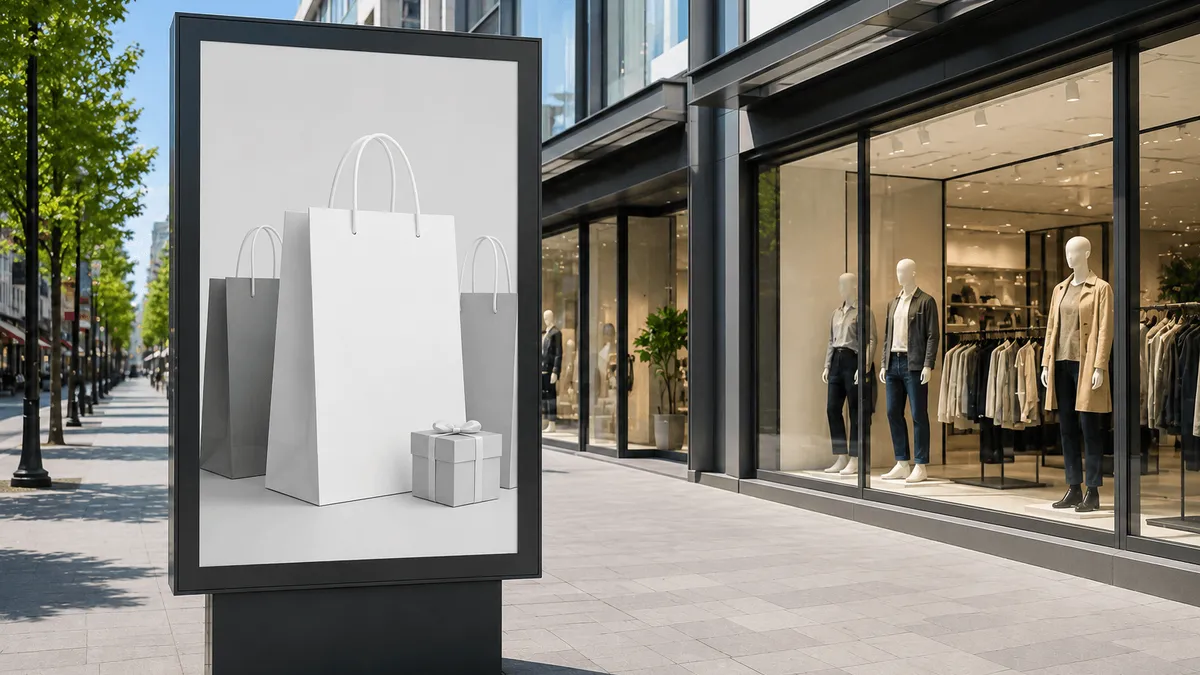
Out-of-home advertising remains one of the most effective ways for retail brands to build awareness, drive footfall, and influence purchasing decisions. By reaching consumers during their daily journeys, OOH advertising creates repeated exposure that strengthens brand recall and encourages store visits. To maximize results, retail brands should follow proven best practices when planning and executing OOH campaigns.
Define Clear Campaign Objectives
Before launching an OOH campaign, retailers should identify specific goals. Common objectives include:
- Increasing brand awareness
- Driving traffic to physical stores
- Promoting new product launches
- Supporting seasonal sales campaigns
- Encouraging online purchases
- Enhancing local market presence
Clear objectives help determine the most suitable locations, formats, messaging, and measurement methods.
Prioritize High-Traffic Retail Locations
Location is one of the most important factors in OOH success. Retail brands should focus on placements that reach consumers close to purchasing moments, such as the following:
- Shopping malls
- High streets and retail districts
- Transit stations
- Bus shelters
- Taxi advertising networks
- Digital billboards near shopping centers
- Supermarket and hypermarket surroundings
Strategic placement increases the likelihood of influencing purchase decisions when consumers are actively shopping.
Keep Creative Simple and Memorable
Consumers often have only a few seconds to view an advertisement. Effective retail OOH creative should:
- Use concise messaging
- Feature strong visuals
- Highlight the primary offer
- Include clear branding
- Maintain high contrast for readability
- Focus on a single message
Avoid overcrowding advertisements with excessive text or multiple calls-to-action.
Promote Time-Sensitive Offers
OOH advertising works particularly well for retail promotions. Brands can create urgency by highlighting:
- Limited-time discounts
- Seasonal sales
- Product launches
- Holiday promotions
- Exclusive in-store offers
- Flash sales
Urgency encourages immediate consumer action and increases store visits.
Leverage Digital Out-of-Home (DOOH)
Digital screens provide greater flexibility than traditional static formats. Retail brands can:
- Update campaigns in real time
- Schedule ads by time of day
- Promote inventory-specific offers
- Run multiple creative variations
- Adapt messaging based on audience behavior
This flexibility helps improve campaign relevance and efficiency, making outdoor advertising more responsive to changing consumer needs.
Use Location-Based Messaging
Localized messaging often delivers stronger engagement. Retail brands can tailor campaigns to specific areas by:
- Mentioning nearby store locations
- Highlighting local promotions
- Featuring region-specific products
- Incorporating local events or seasonal trends
Consumers respond more positively to advertisements that feel relevant to their surroundings.
Ensure Consistency Across Channels
OOH campaigns should support broader marketing strategies. Consistent branding across:
- Social media
- Digital advertising
- In-store marketing
- Email campaigns
- Influencer marketing
- Website promotions
creates a seamless customer experience and reinforces campaign messaging.
Include a Clear Call-to-Action
Even though OOH is primarily a branding medium, strong calls-to-action can improve performance. Examples include:
- Visit our store today
- Scan the QR code
- Shop the new collection
- Discover exclusive offers
- Download the app
- Visit the website
Simple and direct instructions help guide consumer behavior.
Measure Campaign Performance
Retail brands should evaluate campaign effectiveness using metrics such as the following:
- Store footfall increases
- Sales uplift
- Brand awareness studies
- Website traffic growth
- QR code scans
- Mobile location data
- Social media engagement
Measurement provides insights that can improve future campaigns and maximize return on investment.
Combine OOH with Mobile and Digital Marketing
Research consistently shows that OOH becomes more effective when integrated with digital channels. Retail brands can amplify impact by:
- Retargeting exposed audiences online
- Encouraging social media engagement
- Using QR codes for instant interaction
- Supporting campaigns with paid search and display advertising
- Linking OOH creative to digital promotions
An omnichannel approach helps move consumers from awareness to purchase more efficiently. For brands investing in billboard advertising, integrating physical placements with digital touchpoints can significantly improve campaign performance and attribution.
Ready to explore the vast OOH opportunities in the UAE?
Author: Khuzaima Yamman
Related articles
OOH Advertising Best Practices for Retail Brands
17 June 2026 · 3 min read
by Khuzaima Yamman
Learn key OOH advertising best practices for retail brands, including prime locations, simple creative, digital integration, and ways to drive footfall.
Common Billboard Advertising Mistakes and How to Avoid Them
8 June 2026 · 4 min read
by Khuzaima Yamman
Learn the most common billboard advertising mistakes and how to avoid them, including cluttered design, poor typography, and ineffective messaging.
Key Elements of High-Impact Billboard Design
8 June 2026 · 2 min read
by Khuzaima Yamman
Learn the key elements of high-impact billboard design, including simple messaging, bold typography, and location-based strategies.