How AI Is Transforming Outdoor Advertising in the UAE?
AI in outdoor advertising UAE is reshaping DOOH, from targeting to real-time creative. See how brands are using it to drive results.
by Khuzaima Yamman
18 November 2026 · 6 min read
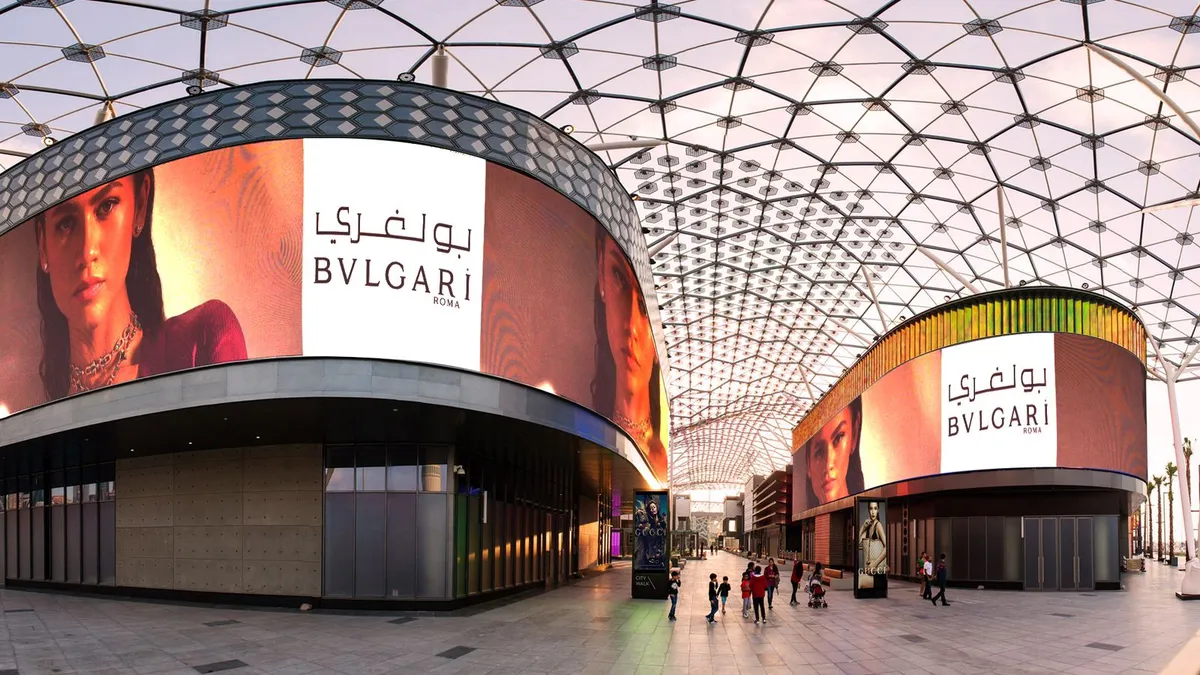
AI is changing outdoor advertising in the UAE by replacing guesswork with data at every stage of a campaign, from choosing which screens to book to adjusting the message a viewer sees in real time. Media buyers now use AI in outdoor advertising UAE planning to match audiences to locations, automate buying, and prove results with real numbers rather than estimates.
For a CMO or CTO weighing up next year's media budget, that shift matters. Outdoor advertising used to rely on traffic counts and instinct. Now the same billboard, mall screen or taxi wrap can be planned, bought and measured with far more precision, and decision-makers are asking sharper questions of their media partners as a result.
AI Brings Data-Led Precision to Outdoor Advertising in the UAE
Every format in the UAE's outdoor mix, from Sheikh Zayed Road billboards to metro platform screens, generates data on who passes, when, and how often. AI tools now process that data to build a clearer picture of an audience before a single creative is designed.
Instead of booking a site because it looks busy, planners can match a brand's target customer to the footfall pattern of a specific mall entrance, transit hub or arterial road. The UAE's digital out-of-home sector has grown on the back of exactly this kind of demand for targeted, real-time advertising, with the market valued at approximately USD 31.39 million in 2024 and projected to reach USD 65.59 million by 2029, a trend covered in detail in our piece on DOOH advertising in the UAE.
Audience insight without the guesswork
This isn't about replacing a media planner's judgement. It's about giving that judgement better information: which routes carry the right commuters, which mall sees the right shoppers, and which dayparts actually convert footfall into attention.
Programmatic DOOH Puts Buying on Autopilot
Programmatic digital out-of-home, or pDOOH, lets a brand buy screen time automatically, triggered by conditions set in advance rather than a manual booking call. A beverage brand might set its campaign to activate on digital billboards only when the temperature rises above a set threshold. A retailer might buy screen time near a mall only during the hours its stores are busiest.
For decision-makers, the appeal is efficiency. A campaign can run across dozens of screens with rules that adjust automatically, rather than a team manually switching creative or rebooking slots. It also means budget can shift towards the moments and locations that are actually working, rather than running at a fixed rate across a fixed schedule.
AI supports this process by learning which conditions, locations and times produce the strongest response, then refining the buying rules as the campaign runs. That feedback loop is one of the clearest differences between outdoor advertising today and outdoor advertising a decade ago.
Dynamic Creative Reacts to Real-World Conditions
Static billboards still have their place, and nothing beats a large-format site for sheer visibility along a busy road. But digital screens can now change their message based on live inputs: weather, traffic flow, time of day, even the score of a match happening nearby.
A handful of ways brands are using this in the UAE market include:
- Swapping creative automatically between morning commuter messaging and evening leisure messaging on the same screen
- Adjusting copy length and imagery for weather, such as promoting indoor venues during extreme heat
- Running different language variants depending on the audience profile at a given location and time
- Triggering limited-time offers on digital screens near a store during specific shopping hours
None of this requires a creative team standing by around the clock. AI handles the switching logic once the rules and assets are set, which is what makes dynamic creative viable at scale across a network of screens rather than just one flagship site.
Measuring Impact With Computer Vision and Anonymised Counts
Proving that an outdoor campaign worked used to mean estimating based on traffic data and hoping the sales uplift lined up. Computer vision and anonymised audience counting now give planners a closer read on who actually saw a screen, how long they looked, and how that varied by hour or location.
This matters most to the people signing off the budget. A CEO asking whether outdoor spend is pulling its weight against digital channels now has sharper numbers to work with: not just impressions sold, but a measured read on attention and reach by site.
It also changes how campaigns get optimised mid-flight. Instead of waiting until a campaign ends to review results, teams can see which locations are underperforming after the first week and shift budget towards screens with stronger audience numbers, provided the measurement data is in place from the start.
Why Formats Still Matter as Much as the Technology
None of this makes the choice of format less important. AI improves how a campaign is planned, bought and measured, but it doesn't change the basic logic of outdoor advertising: a roadside billboard still delivers mass reach to drivers and passengers, a mall screen still earns longer dwell time close to the point of sale, and transit media still builds repeated exposure along the same routes day after day.
The strongest campaigns combine formats with intent. Roadside billboards and large-format digital screens build initial reach across a city. Captive indoor formats in malls, airports and metro stations carry a fuller message to audiences who are already stationary and receptive. Transit media, such as taxi and bus wraps, keeps the brand visible across routes that roadside sites alone cannot cover.
AI helps decide which of those formats earns which share of the budget, and when. It doesn't replace the fundamentals of outdoor advertising. It sharpens how those fundamentals get applied.
What This Means for Teams Planning Next Year's Campaigns
For brands and media agencies operating in Dubai and across the UAE, the practical takeaway is straightforward. Ask a media partner what data informs a site recommendation, whether a campaign can run programmatically where that fits the goal, and how results will be measured before the campaign starts rather than after it ends.
Those three questions separate a modern, data-backed outdoor campaign from one still planned on instinct alone. The technology is there to support better decisions, not to make the decision for you.
If you're planning a campaign and want a clearer view of which formats and sites fit your audience and budget, speak to the OOH AE team about a tailored, data-led plan across billboards, digital screens, malls, transit and experiential placements in the UAE.
FAQs
Does AI-powered audience measurement collect personal data from people near a screen?
No. The audience counting technology used in UAE outdoor advertising relies on anonymised, aggregated figures such as footfall and dwell time, not personal identifiers. Screens register how many people pass or pause near a site, not who those people are. This allows media owners to measure reach and attention without capturing names, faces or any detail that could identify an individual viewer.
Is programmatic DOOH more expensive than booking a traditional billboard?
Cost depends on the campaign's goals rather than the buying method itself. Programmatic buying can cut wasted spend by targeting only the conditions, times or locations that matter, while a fixed booking suits a campaign that needs guaranteed, uninterrupted visibility. The better question for a media partner is which model fits your budget and objective, not which option is cheaper outright.
Can smaller or local brands use programmatic DOOH, or is it only for big advertisers?
Yes, smaller brands can use programmatic DOOH because campaigns can be scaled to a handful of screens rather than a citywide network. A local business could set simple rules, such as activating creative only on weekend evenings near one mall entrance, without needing the budget a traditional multi-site billboard campaign would require.
How quickly can a brand see whether an AI-optimised outdoor campaign is working?
There is no fixed timeline, but one advantage of AI-driven measurement is that performance data can be reviewed within the campaign's first week rather than only at the end. This lets a team shift budget towards stronger-performing sites while the campaign is still live, instead of waiting until it finishes to find out what worked.
Does AI only benefit digital screens, or can static billboards use it too?
AI's role changes depending on the format. A static billboard can still benefit from AI-driven site selection and audience data analysis before the campaign launches. The real-time creative switching and automated buying described for digital out-of-home only apply to connected digital screens, so a static site gets smarter planning rather than a message that changes on its own.
Ready to explore the vast OOH opportunities in the UAE?
Author: Khuzaima Yamman
Related articles
Insights

How AI Is Transforming Outdoor Advertising in the UAE?
18 November 2026 · 6 min read
by Khuzaima Yamman
AI is changing how brands plan, target and measure outdoor campaigns across the UAE. This article looks at what's driving that shift in digital out-of-home advertising today.
Insights
Why Simplicity Wins in Billboard Advertising
24 August 2026 · 3 min read
by Khuzaima Yamman
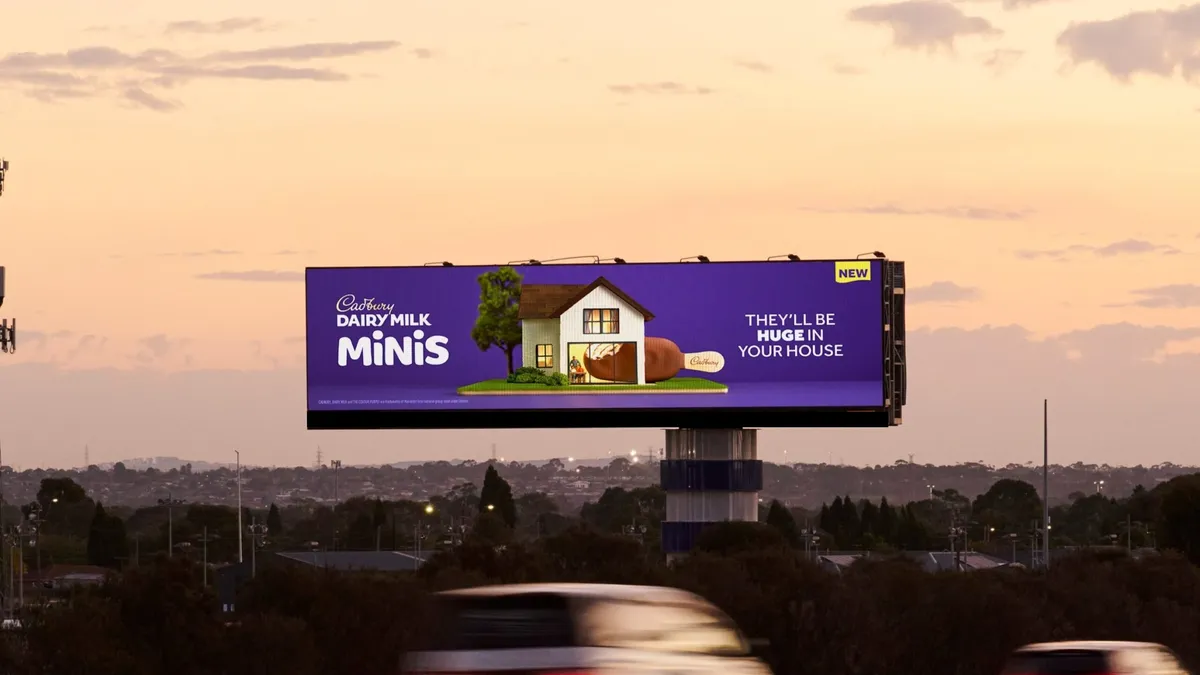
Find out why simple billboard creative can help brands communicate clearly, capture attention and make an impact across busy UAE locations.
Insights

How Weather, Time & Traffic Data Improve DOOH Campaigns
27 July 2026 · 3 min read
by Khuzaima Yamman
Discover how weather, time, and traffic data enhance DOOH campaigns by enabling real-time advertising that improves engagement.