Ultimate guide to Programmatic Advertising
Learn how programmatic advertising works, its types, benefits, challenges, and future trends. A complete guide to data-driven & automated ad buying.
by Khuzaima Yamman
06 April 2026 · 5 min read
Programmatic advertising has transformed the way brands buy and place ads, making the process faster and efficient. Instead of relying on manual negotiations and insertion orders, advertisers now use automated systems to deliver the right message to the right audience at the right time. This guide breaks down everything you need to know about programmatic advertising.
What is Programmatic Advertising?
Programmatic advertising refers to the automated buying and selling of digital advertising space using software and algorithms. It eliminates the traditional manual processes involved in media buying and replaces them with real-time bidding (RTB) and advanced targeting techniques.
How Programmatic Advertising Works
At the core of programmatic advertising is a complex ecosystem of platforms that communicate with each other in real time. Here are the key components:
1. Demand-Side Platform (DSP)
Advertisers use DSPs to buy ad inventory across multiple websites and apps. It allows them to set budgets, define target audiences, and optimize campaigns.
2. Supply-Side Platform (SSP)
Publishers use SSPs to sell their ad inventory. These platforms help maximize revenue by connecting publishers with multiple advertisers.
3. Ad Exchange
This is the marketplace where buying and selling happen. It connects DSPs and SSPs, enabling real-time auctions for ad placements.
4. Data Management Platform (DMP)
DMPs collect and analyze user data from various sources. This data helps advertisers create highly targeted campaigns based on demographics, behavior, and interests.
5. Real-Time Bidding (RTB)
When a user visits a website, an auction takes place in milliseconds. Advertisers bid for the impression, and the highest bidder’s ad is displayed instantly.
Types of Programmatic Advertising
Programmatic advertising isn’t limited to RTB. There are several buying methods:
1. Real-Time Bidding (RTB)
Open auction where multiple advertisers bid for impressions.
2. Private Marketplace (PMP)
Invite-only auctions where premium publishers offer inventory to selected advertisers.
3. Programmatic Direct
Advertisers buy ad space directly from publishers at a fixed price, but the process is still automated.
4. Preferred Deals
Advertisers get early access to inventory before it becomes available in open auctions.
Benefits of Programmatic Advertising
1. Precision Targeting
Advertisers can target audiences based on behavior, location, device, interests, and more, ensuring higher relevance.
2. Real-Time Optimization
Campaigns can be adjusted instantly based on performance data, improving ROI.
3. Efficiency and Speed
Automation reduces manual work, saving time and resources.
4. Cost-Effectiveness
By bidding only on relevant impressions, advertisers minimize wasted spend.
5. Transparency and Reporting
Detailed analytics provide insights into campaign performance, audience engagement, and conversion rates.
Programmatic Advertising Channels
Programmatic advertising spans multiple digital and physical channels:
1. Display Advertising
Banner ads across websites and apps are the most common form.
2. Video Advertising
Includes in-stream, out-stream, and connected TV (CTV) ads.
3. Mobile Advertising
Targets users on smartphones and tablets through apps and mobile web.
4. Native Advertising
Ads that blend seamlessly with content, improving user experience.
5. Digital Audio
Programmatic ads on music streaming and podcasts.
6. Digital Out-of-Home (DOOH)
Programmatic technology is now extending into ooh advertising, enabling automated buying of digital screens in public spaces such as malls, airports, and transit hubs.
Role of Data in Programmatic Advertising
Data is the backbone of programmatic advertising. It helps advertisers understand audiences and make informed decisions.
Types of Data:
- First-party data: Collected directly from users (e.g., website visitors)
- Second-party data: Shared between trusted partners
- Third-party data: Purchased from external providers
With increasing privacy regulations, first-party data is becoming more valuable, pushing brands to build stronger direct relationships with their audiences.
Challenges in Programmatic Advertising
While programmatic advertising offers many advantages, it also comes with challenges:
1. Ad Fraud
Fake impressions and bot traffic can waste ad spend.
2. Brand Safety
Ads may appear next to inappropriate or harmful content.
3. Transparency Issues
Complex supply chains can make it difficult to track where money is going.
4. Privacy Regulations
Laws like GDPR and evolving cookie restrictions are reshaping data usage.
5. Complexity
The ecosystem can be difficult to understand and manage without expertise.
Best Practices for Successful Programmatic Campaigns
1. Define Clear Objectives
Set measurable goals such as brand awareness, lead generation, or conversions.
2. Leverage First-Party Data
Build and use your own audience data for better targeting and compliance.
3. Optimize Creatives
Use dynamic creatives that adapt to different audiences and contexts.
4. Monitor Performance Continuously
Track KPIs and adjust campaigns in real time.
5. Ensure Brand Safety
Use verification tools and whitelist trusted publishers.
Programmatic Advertising and Traditional Media
Programmatic advertising is no longer limited to digital screens. It is increasingly integrating with traditional channels like out of home advertising, bringing automation and targeting capabilities to physical spaces.
For example, digital billboards can now display different ads based on time of day, weather, or audience demographics. This evolution is bridging the gap between digital precision and the broad reach of Outdoor advertising and billboard advertising, making campaigns more impactful and measurable.
Future Trends in Programmatic Advertising
1. Cookieless Advertising
With third-party cookies being phased out, advertisers are shifting to alternative identifiers and contextual targeting.
2. Artificial Intelligence (AI)
AI will play a bigger role in optimizing bids, targeting, and creative personalization.
3. Increased DOOH Growth
Programmatic DOOH will continue expanding, offering more opportunities for location-based targeting.
4. Omnichannel Integration
Campaigns will become more unified across devices and platforms, providing a seamless user experience.
5. Greater Transparency
New technologies like blockchain may improve transparency and reduce fraud.
Ready to explore the vast OOH opportunities in the UAE?
Author: Khuzaima Yamman
Related articles
Campaigns
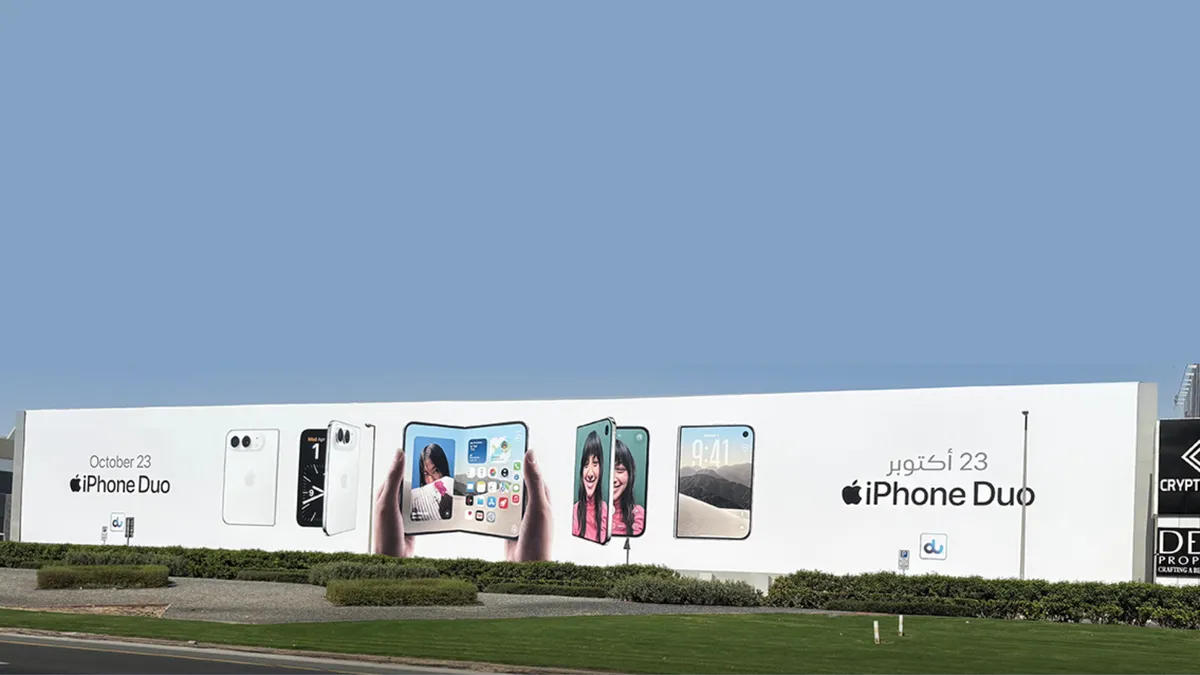
Apple Promotes iPhone Duo Across Dubai’s OOH Landscape
12 October 2026 · 5 min read
by Khuzaima Yamman
Apple brings the new iPhone Duo to Dubai’s outdoor advertising landscape ahead of its UAE launch on 23 October 2026.
History
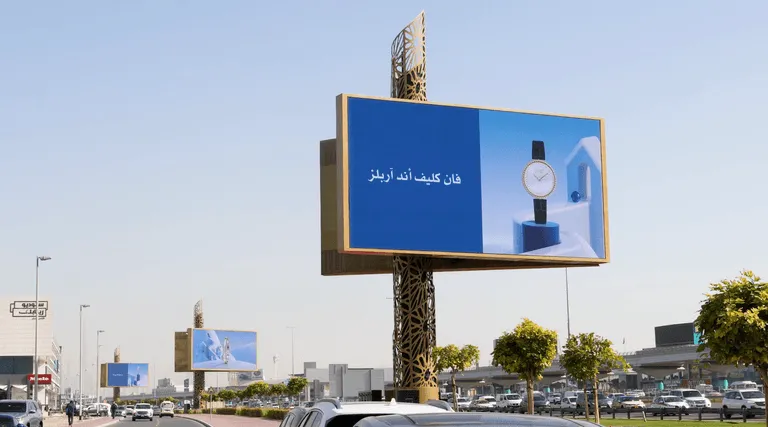
The Evolution of Billboard Advertising in the UAE: Trends and Costs
5 October 2026 · 6 min read
by Harith Onigemo
From static billboards to digital screens, discover how billboard advertising in the UAE has evolved, plus the costs brands can expect in Dubai's competitive outdoor advertising market.
Campaigns

Carvion Launches New Outdoor Campaign in Dubai
9 September 2026 · 3 min read
by Khuzaima Yamman
Carvion launches a new outdoor advertising campaign in Dubai, promoting its wholesale car export services with a clear bilingual message.